
Where should a porta potty go on a job site or event lot?
Pick flat, stable ground first. ADA Standards section 302.1 requires floor and ground surfaces to be stable, firm and slip resistant, and that rule guides good placement even for standard units without a wheelchair user on site. A standard porta potty rental sits about 44 by 48 inches on the ground and stands roughly 92 inches tall, so give it clear space above for the vent stack. Keep units within a short walk of the work area. On agricultural sites, OSHA 1928.110 sets a quarter mile maximum walking distance to a field sanitation facility, and that same instinct, closer is better, holds for construction crews and event guests around Hemet. Avoid low spots that pond water after rain and avoid soft turf that a service truck will rut. If you are placing a unit near a dumpster or a storage container rental, leave the container's swing clearance alone; do not block truck access to either one. For events, our event restroom rental crews walk the lot layout with you before drop-off, matching unit count against expected attendance using the how many porta potties do I need ratio guide.
What clearance does a delivery truck need?
A roll-off or service truck needs about 60 feet of straight clearance behind the drop point to back in safely. That number matters whether you're placing a roll-off dumpster rental, a restroom trailer, or a cluster of standard units for a Hemet festival. Narrow alleys, parked cars, and low tree branches all shrink that number fast, so measure before the truck shows up, not after. If your site can't offer 60 feet in one direction, tell us when you request a quote and we'll plan a different placement or a shorter delivery vehicle. This same clearance question comes up constantly with construction dumpster rental drops, since a dumpster placement permit cost and the physical drop zone are two separate problems: you can have the permit and still lack the turning room. Trailers need more. A restroom trailer rental or 4 stall restroom trailer is towed or driven into place and needs a level, wide pad, closer to a mobile home site than a porta potty footprint.
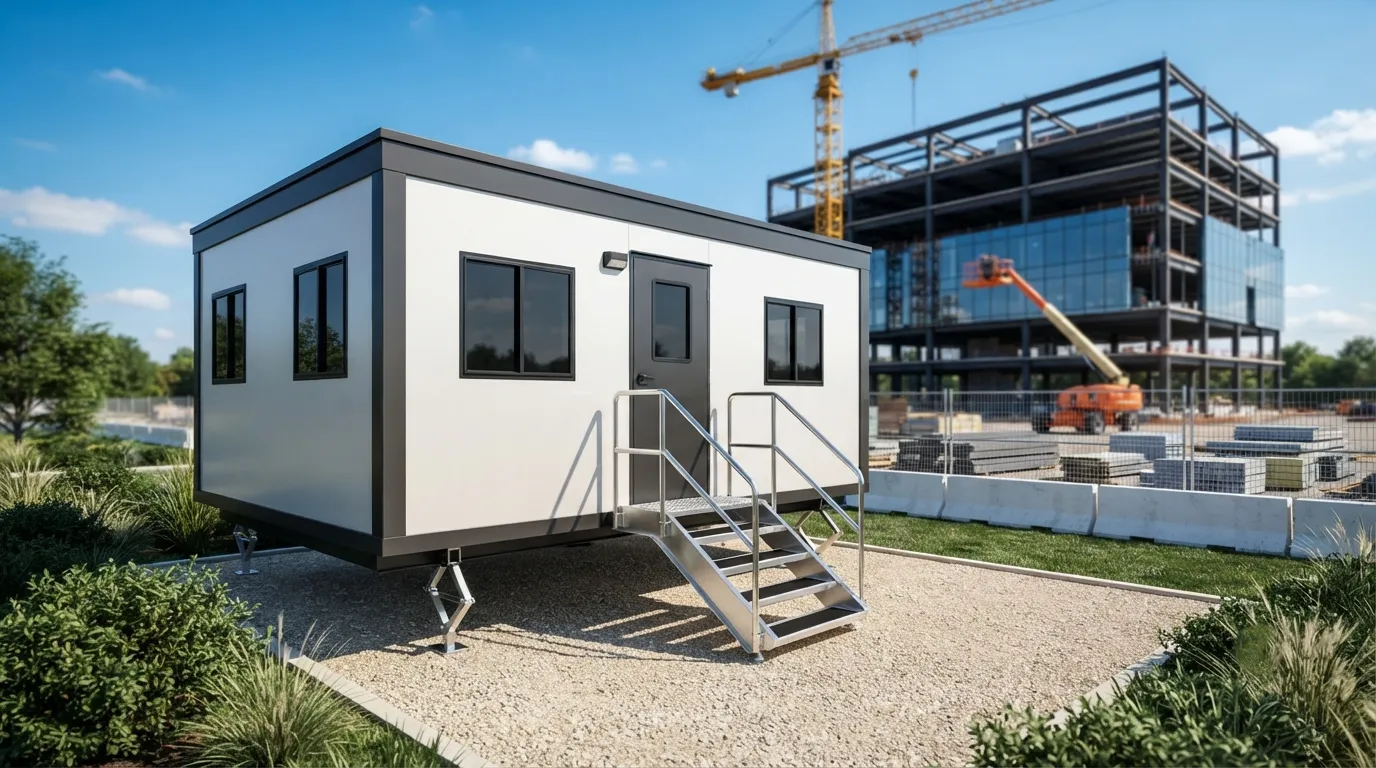
Do I need a permit to place a unit on the street or sidewalk?
Placement on a public street, sidewalk or right of way needs confirming with the City of Hemet before delivery. We don't have a published fee or ordinance number to hand you here, and we would rather send you to the city than guess. Private property placement, a driveway, a job site lot, a backyard for a family event, does not carry that same open question. If your project also involves a dumpster placement permit, check our dumpster permit requirements page, and confirm both permits with the city on the same call since they may be handled by different departments. Construction sites still have to meet OSHA 1926.51(c), which sets one toilet for 20 or fewer workers, climbing to one toilet and one urinal per 40 workers past that count. That ratio, not the permit, usually drives how many units go on a jobsite in the first place. For general contractor questions on ratios and posting requirements, see our OSHA portable toilet requirements page.
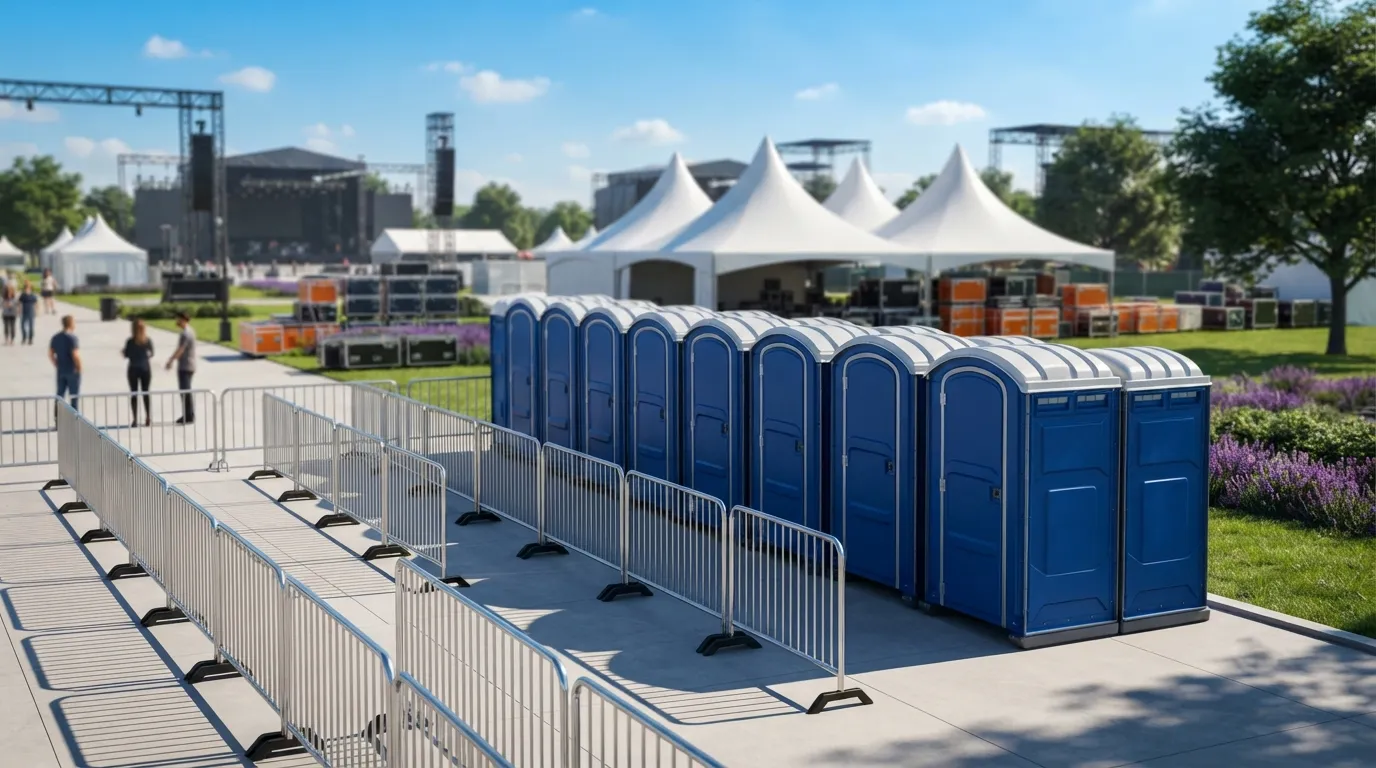
How far from doors, windows, and food areas should a unit sit?
Keep units back from operable doors and windows where possible, and never block an accessible route. ADA Standards section 403.5.1 sets a 36 inch minimum clear width for an accessible path, and a cluster of ADA accessible porta potty units placed too close together, or too close to a curb, can choke that path down below spec. ADA Standards section 213.2 requires at least 5 percent of a clustered group to be accessible units, never fewer than one, so plan that ratio into your layout from the start, not as an afterthought once units are already on the ground. Keep restrooms a reasonable distance from food service tents or grease-heavy cooking areas; if you're running a food vendor row and also need grease trap pumping service, coordinate both trucks so neither blocks the other's approach. Wind direction matters too on longer events, since prevailing breeze carrying odor toward a crowd is a placement mistake nobody notices until day two of a Hemet summer event.
Frequently Asked Questions
Can I place a porta potty on grass or dirt?
Yes, if the ground is stable and level; soft, wet dirt will let a unit sink or tip. Hemet Porta Pros lays down a board or mat on marginal ground during delivery. Avoid slopes and low spots that collect water after rain.
Does placement affect service day frequency?
Not directly, but poor access can delay a scheduled pump-out. ANSI/PSAI Z4.3 sets a weekly service baseline for up to 10 users; if the truck can't reach the unit, that visit slips. Keep the same 60 foot clearance clear on service days too.
What if my mobile office trailer needs a replacement door?
That's a repair question, not a placement one; contact us directly through Contact with the trailer details. Door and frame condition affects site security more than positioning does, so flag any damage before you place the unit on a live jobsite.
Is a permit needed for a temporary fence around the units?
Fencing placement rules follow the same right-of-way logic as restrooms: private lots are simpler, public frontage needs a city check. See temporary fence rental and temporary fence cost for setup details once your layout is confirmed.
Can Hemet Porta Pros help plan placement for a multi-unit event?
Yes. We walk event lots in Hemet and nearby San Jacinto, 4.3 miles north, and East Hemet, 3.7 miles east, to set clearances, accessible unit ratios, and truck routes before delivery day, using the same 60 foot rule for every drop point.
Next step
Get a delivery date
Tell us the address, the dates and the headcount. We size the order and confirm the route.